1What Is a Stop Payment Order?
A stop payment order is a formal request you make directly to your bank or credit union to block one specific upcoming payment. It is different from just calling the company that is charging you. Instead of asking the company to stop billing you, you are telling your own bank not to let a specific payment go through.
You can place a stop payment order on a single upcoming charge, or on a specific recurring payment if you set it up that way. Either way, the bank blocks the payment at its end, whether or not the company on the other side agrees to stop billing you.
2When to Use One
A stop payment order is not the first thing to try. It is what you use after a direct cancellation attempt has not worked. Reach for it when:
- You already tried to cancel with the company by phone or email
- The company refuses to stop billing you even after you asked
- The company is unreachable, or you cannot get through to a real person
- You do not trust the company to actually stop the charge in time
Example scenario: you email a subscription company asking them to cancel and stop your next charge. They do not reply, and your next payment date is coming up in a few days. At this point, going straight to your bank with a stop payment order is a reasonable next step.
3How to Request One
You can request a stop payment order in person at a branch, by phone with your bank, or in writing. Any of these three methods is generally accepted, so use whichever is fastest for you.
- Contact your bank or credit union at least 3 business days before the next scheduled payment date. Giving them more notice than that is even better.
- Tell them the exact payment you want blocked: the company name, the amount, and the date it is expected to go through.
- Choose your method, in person, by phone, or in writing, based on what your bank accepts and how quickly you need it done.
- Ask for written or emailed confirmation that the stop payment order is in place, so you have a record of it.
Note: giving less than 3 business days of notice raises the risk that the payment processes before the block takes effect. If your next payment date is close, call your bank right away rather than waiting.
4What It Costs
A stop payment order is not free. Banks charge a fee for processing the request, and the amount varies from bank to bank.
| What You Need | Typical Range |
|---|---|
| Fee per stop payment order | $15 to $35 (around $30 on average) |
| Notice needed before the payment date | At least 3 business days |
Ask your bank for the exact fee before you request the order. If the charge you are blocking is small, weigh the fee against the amount you are trying to stop.
A stop payment order blocks one payment. It does not cancel your subscription, so the company can still try to bill you again next month unless you cancel with them too.
5What It Does and Does Not Do
A stop payment order only blocks that specific transaction, or a specific recurring payment if you set it up that way. It does not reach into the company's system and cancel your account or subscription. Your bank and the company you are paying are two separate relationships.
That means even after your bank blocks the charge, the company may still consider you an active customer and may try to charge you again through a different card, a different bank account, or by sending the bill to collections. Always still notify the company that you are cancelling, in writing if possible, so there is a record that you tried to end the relationship on both sides.
6If a Charge Still Slips Through
Sometimes a company changes the amount slightly, bills under a different name, or processes the charge in a way that is technically different from what you blocked. If that happens after you placed a stop payment order, the charge can still slip past it.
This is still something you can act on. Contact your bank and tell them a charge went through despite the stop payment order being in place. You can escalate this as an unauthorized-transfer dispute, since you had already instructed the bank not to allow that payment. Keep your written confirmation of the original stop payment order handy, it supports your case.
7Track Every Payment So You Do Not Need This Twice
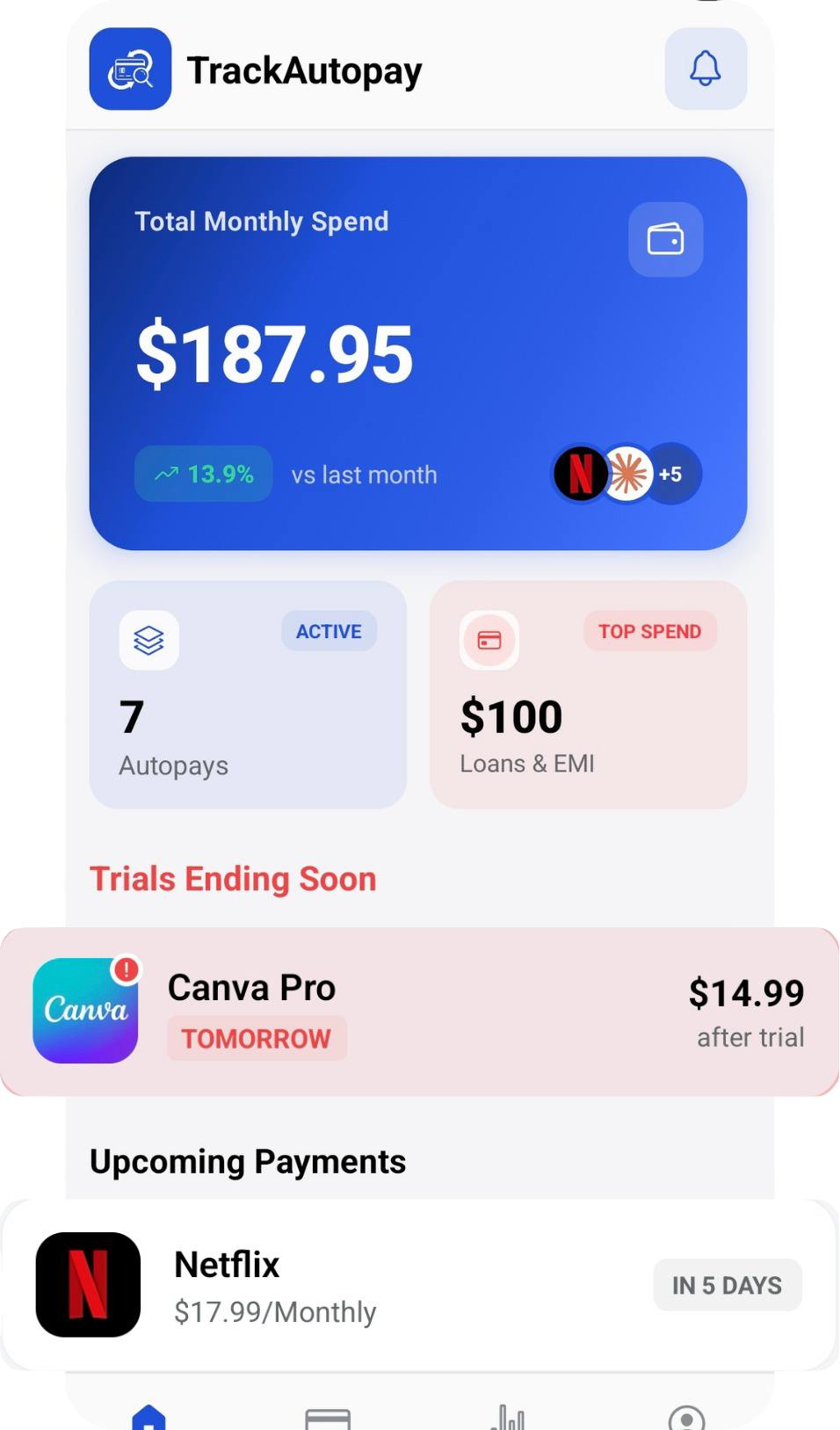
A stop payment order is a useful last resort, but it costs money and only fixes one payment at a time. The better long-term fix is knowing about a recurring charge before it becomes a fight with your bank. TrackAutoPay helps you keep a clear list of every recurring payment you have, so you can cancel with the company early, before you ever need to involve your bank.
Never Get Surprised by a Charge Again
See every recurring payment in one place and get a reminder before it renews.